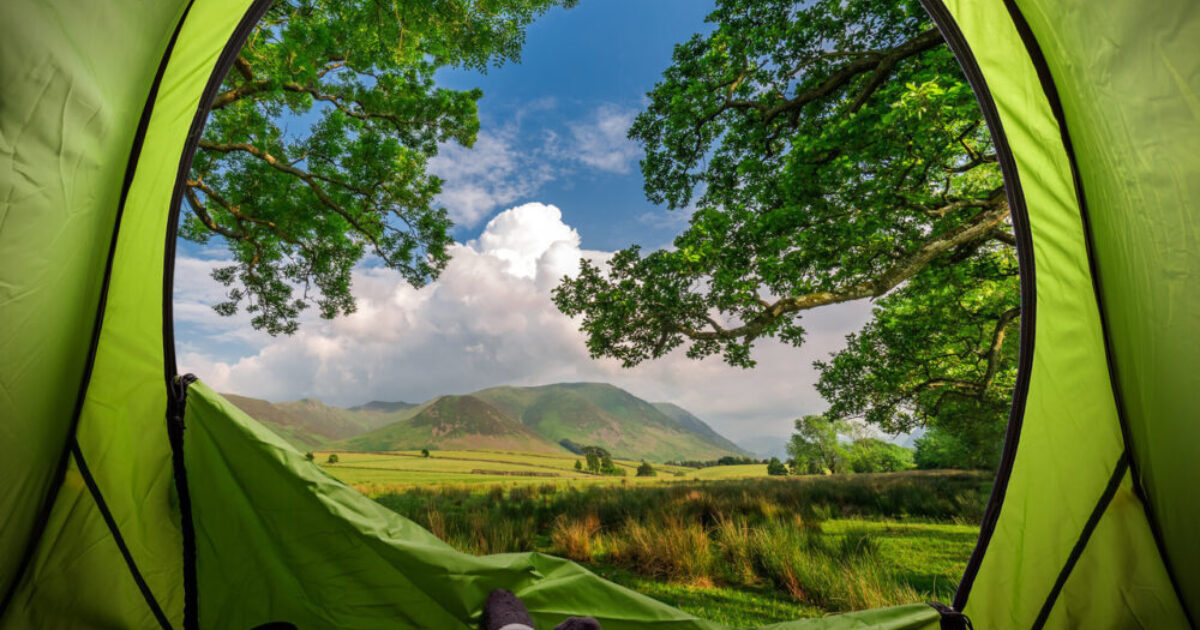
Eco-friendly camping holidays set the stage for an enthralling narrative, offering readers a glimpse into a story rich in detail and brimming with originality from the outset. Dive into the world of sustainable travel and outdoor experiences with this guide.
Explore the essence of eco-friendly camping, from reducing waste to choosing the right gear, and discover how these practices can lead to a more environmentally conscious way of exploring the great outdoors.
Introduction to Eco-Friendly Camping Holidays
Eco-friendly camping holidays involve choosing sustainable and environmentally conscious options when planning your outdoor adventures. This means minimizing the negative impact on the environment while enjoying the beauty of nature.
Travel sustainability is crucial in preserving the natural beauty of our planet for future generations. By opting for eco-friendly camping holidays, travelers can reduce their carbon footprint, protect wildlife habitats, and support local conservation efforts.
The Benefits of Choosing Eco-Friendly Camping Options
- Reduced environmental impact: Eco-friendly camping practices help minimize waste, conserve water, and reduce pollution, contributing to a healthier ecosystem.
- Connection with nature: By immersing yourself in nature through eco-friendly camping, you can develop a deeper appreciation for the environment and its importance.
- Supporting local communities: Choosing eco-friendly camping options often involves supporting local businesses, which in turn helps to create sustainable livelihoods for residents.
- Promoting conservation: By engaging in eco-friendly camping practices, you actively participate in the protection and preservation of natural landscapes and wildlife.
Eco-Friendly Camping Practices
When it comes to eco-friendly camping, there are several practices you can adopt to minimize your impact on the environment. From reducing waste to making conscious choices about your gear and food, every little effort counts towards preserving nature.
Reducing Waste While Camping
One of the key aspects of eco-friendly camping is reducing waste. Here are some tips to help you minimize your environmental impact:
- Use reusable containers for food and beverages instead of disposable ones.
- Avoid single-use plastic items like cutlery, plates, and cups by bringing your own reusable alternatives.
- Opt for biodegradable toiletries to reduce the pollution of water sources.
- Practice Leave No Trace principles by packing out all your trash and disposing of it properly.
Eco-Friendly Camping Gear and Essentials
Choosing the right gear can make a big difference in reducing your ecological footprint while camping. Here are some eco-friendly options to consider:
- Invest in durable, high-quality gear that will last for multiple trips, reducing the need for frequent replacements.
- Look for gear made from sustainable materials like recycled plastics, organic cotton, or bamboo.
- Use solar-powered or hand-cranked devices for lighting and charging electronics instead of disposable batteries.
Eco-Conscious Food Choices and Meal Preparation
Being mindful of the food you bring and how you prepare meals can significantly impact the environment. Here are some eco-conscious food choices and meal preparation tips for your next camping trip:
- Plan meals that require minimal packaging and processing to reduce waste.
- Choose locally sourced and organic ingredients to support sustainable agriculture practices.
- Avoid single-serving packaged foods and opt for bulk items to reduce packaging waste.
- Use eco-friendly cookware like stainless steel or cast iron that can be easily cleaned and reused.
Eco-Friendly Camping Destinations
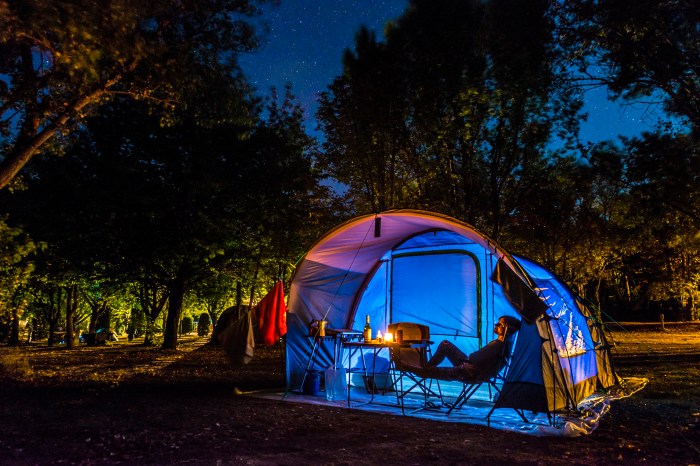
When it comes to eco-friendly camping, there are numerous destinations around the world that offer sustainable and environmentally conscious camping experiences. These destinations not only allow you to connect with nature but also minimize your impact on the environment. Let’s explore some of the best eco-friendly camping spots that you can visit.
Eco-Friendly Camping Spots Around the World
- Costa Rica: Known for its biodiversity and commitment to conservation, Costa Rica offers eco-friendly camping options in lush rainforests and stunning beach settings.
- Sweden: With its concept of allemansrätten, or the freedom to roam, Sweden provides opportunities for eco-friendly camping in its vast wilderness areas.
- New Zealand: From national parks to remote coastal areas, New Zealand boasts eco-friendly campsites that focus on sustainability and preserving the natural beauty of the land.
Unique Features of Eco-Friendly Campsites
- Off-grid accommodations powered by renewable energy sources such as solar or wind power.
- Composting toilets and recycling facilities to reduce waste and promote sustainability.
- Organic gardens where campers can harvest fresh produce for their meals, minimizing the carbon footprint of food consumption.
Activities for Eco-Friendly Camping Holidays
To truly enjoy eco-friendly camping holidays, it is essential to engage in activities that minimize environmental impact while still allowing you to connect with nature. By choosing sustainable adventures and wildlife-friendly experiences, you can make a positive difference and preserve the beauty of the outdoors for future generations.
Sustainable Outdoor Activities
- Hiking on designated trails to avoid damaging vegetation
- Kayaking or canoeing to explore waterways without disturbing wildlife
- Birdwatching to appreciate nature without causing harm to birds
- Geocaching as a fun and eco-friendly treasure hunt activity
Examples of Sustainable Adventures
- Leave No Trace camping principles to minimize impact on the environment
- Participating in beach clean-ups to help preserve marine ecosystems
- Tree planting initiatives to contribute to reforestation efforts
- Stargazing without light pollution to appreciate the night sky
Wildlife-Friendly Activities and Experiences
- Observing wildlife from a safe distance to avoid causing stress or disturbance
- Attending guided nature walks led by knowledgeable experts
- Volunteering for wildlife conservation projects in the area
- Photographing wildlife responsibly without interfering with natural behaviors
Benefits of Eco-Friendly Camping Holidays
Eco-friendly camping holidays offer a range of benefits, not only for the environment but also for the campers themselves. Let’s explore how choosing eco-friendly camping can make a positive impact on conservation efforts, as well as contribute to mental and physical well-being.
Contribution to Conservation Efforts
- Reduced carbon footprint: By practicing Leave No Trace principles and minimizing waste, eco-friendly campers help protect natural ecosystems and reduce their impact on the environment.
- Promotion of sustainable practices: Choosing eco-friendly campsites and supporting eco-conscious businesses encourages the preservation of natural habitats and wildlife.
- Education and awareness: Eco-friendly camping promotes environmental stewardship and encourages campers to learn about and respect the natural world.
Mental and Physical Health Benefits
- Stress reduction: Spending time in nature has been shown to reduce stress levels and improve overall well-being, making eco-friendly camping holidays a great way to unwind and recharge.
- Physical activity: Engaging in outdoor activities like hiking, biking, and swimming during eco-friendly camping trips promotes physical fitness and a healthy lifestyle.
- Connection to nature: Immersing oneself in natural surroundings can have a calming effect, boosting mood and enhancing mental clarity.
Testimonials from Eco-Friendly Campers
“I never realized how much of a difference eco-friendly camping could make until I experienced it myself. Not only did I feel more connected to nature, but I also felt good knowing that I was leaving behind a minimal impact on the environment.”
Sarah, avid eco-friendly camper
“Eco-friendly camping has become a way for me to not only enjoy the great outdoors but also to do my part in preserving it for future generations. It’s a win-win for both me and the environment.”
Mark, eco-conscious traveler
Environmental Impact of Traditional Camping vs. Eco-Friendly Camping
When comparing traditional camping to eco-friendly camping, it is essential to look at their environmental impact in terms of carbon footprint, water, and energy consumption.
Carbon Footprint
- Traditional camping often involves the use of non-renewable resources such as gas-powered generators, leading to higher carbon emissions.
- Eco-friendly camping focuses on sustainable practices like using solar-powered equipment and reducing waste, resulting in a lower carbon footprint.
- Transitioning to eco-friendly camping can significantly reduce the carbon footprint associated with outdoor recreation activities.
Water and Energy Consumption
- Traditional camping may involve excessive water usage for activities like washing dishes and personal hygiene, leading to water wastage.
- Eco-friendly camping promotes water conservation through practices like using biodegradable soaps and minimizing water waste.
- Energy consumption in traditional camping is higher due to the use of non-renewable energy sources, whereas eco-friendly camping utilizes renewable energy options like solar or wind power.
Transitioning to Eco-Friendly Practices
- Reduce waste by opting for reusable camping gear and packing items in eco-friendly containers.
- Choose campsites that support eco-friendly initiatives and follow Leave No Trace principles to minimize environmental impact.
- Invest in energy-efficient camping equipment and consider offsetting carbon emissions from travel by supporting reforestation projects.
Concluding Remarks
As we wrap up this exploration of eco-friendly camping holidays, remember that every choice we make as travelers can have a positive impact on the environment. Embrace the beauty of nature while treading lightly on the Earth, and let your eco-friendly adventures inspire others to follow suit.
Frequently Asked Questions
How can I minimize waste while camping?
Opt for reusable items, pack food in containers, and properly dispose of waste in designated bins.
What are some eco-conscious food choices for camping?
Choose locally sourced produce, pack food with minimal packaging, and opt for sustainable seafood options.
Which destinations are known for eco-friendly camping?
Costa Rica, Norway, and New Zealand are popular for their eco-friendly camping sites amidst stunning natural landscapes.
How does eco-friendly camping contribute to conservation efforts?
By reducing our environmental footprint, eco-friendly camping helps preserve ecosystems and wildlife habitats for future generations.